Producing Calm: How Smaller Sized Assisted Living Settings Assist Elders with Amnesia
Business Name: BeeHive Assisted Living Homes of Rio Rancho NM #1 - Dementia Care & Memory Care
Address: 204 Silent Spring Rd NE, Rio Rancho, NM 87124
Phone: (505) 221-6400
BeeHive Assisted Living Homes of Rio Rancho NM #1 - Dementia Care & Memory Care
BeeHive Assisted Living Homes of Rio Rancho NM #1 - Dementia Care & Memory Care is a premier Rio Rancho Assisted Living facilities and the perfect transition from an independent living facility or environment. Our Alzheimer care in Rio Rancho, NM is designed to be smaller to create a more intimate atmosphere and to provide a family feel while our residents experience exceptional quality care. We promote memory care assisted living with caregivers who are here to help. Memory care assisted living is one of the most specialized types of senior living facilities you'll find. Dementia care assisted living in Rio Rancho NM offers catered memory care services, attention and medication management, often in a secure dementia assisted living in Rio Rancho or nursing home setting.
204 Silent Spring Rd NE, Rio Rancho, NM 87124
Business Hours
Families normally reach out to me at a snapping point. A parent has wandered at night, medication has been missed out on once again, or a partner is tired from caregiving. The concern is nearly constantly the same: "Where will they feel safe and still like themselves?"
For senior citizens coping with memory loss, the size and feel of an assisted living community can determine whether every day is complicated and frustrating, or settled and fairly tranquil. Larger is not always much better. In most cases, smaller settings develop the calm and predictability that an individual with cognitive decrease requires in order to function and feel secure.
This is not a one size fits all issue. I have seen large neighborhoods work beautifully for some homeowners and poorly for others. Still, for many people navigating dementia care or early memory modifications, a smaller, more intimate environment provides clear advantages.
Why environment feels so various with memory loss
Memory loss does not just suggest forgetting names or misplacing secrets. With progressive dementias like Alzheimer's disease, vascular dementia, Lewy body dementia, and combined types, a number of abilities are impacted simultaneously:
People often lose the capability to track time, follow intricate conversations, analyze visual information rapidly, and manage distractions. A dining-room dynamic with thirty or forty individuals can feel like a train station. A corridor with unfamiliar doors can feel like a maze. Several options at every turn can seem like a test they are destined to fail.
What used to be stimulating can end up being stressful or frightening.
In senior care, environment is not simply décor. It is a scientific tool. The building layout, lighting, sound level, staff regimens, and variety of residents all affect habits, sleep, cravings, and mood. For individuals with amnesia, especially those getting memory care or dementia care supports, the threshold for overload is much lower.
What "smaller sized" truly implies in assisted living and memory care
Families often ask for a specific number: "What is considered a little assisted living?" The fact is, numbers just inform part of the story.
I have seen forty individual neighborhoods feel intimate since they are divided into four unique households of ten homeowners, each with its own small living-room and dining area. I have actually likewise walked into twenty resident buildings that felt institutional and confidential, with long passages and main dining far from the rooms.
When I speak about smaller settings that tend to support calm for individuals with amnesia, I am normally referring to environments with one or more of these qualities:
- A limited number of citizens sharing each living area, typically in the series of 8 to 16
- Short, basic hallways that loop or lead clearly back to common areas
- A consistent group of caretakers who understand each resident's history, choices, and patterns
- Common rooms sized to seem like a home, not a hotel lobby
- Clear visual cues to aid with orientation, such as color coded doors, memory boxes, and uncluttered sightlines
Some of these settings are formal memory care units within a larger assisted living community. Others are standalone residential care homes, often called board and care homes, adult household homes, or group homes, depending on the state.
The licensing labels vary, however the lived experience often comes down to the same concern: does this seem like a small, knowable world or a complex, constantly altering one?
Sensory load and the power of less inputs
One of the most immediate differences in smaller assisted living or memory care settings is the sensory environment.
In a big community, even a well run one, there is usually a consistent background of activity. More citizens mean more visitors, deliveries, treatment sessions, alarms, music programs, and personnel moving in and out. Separately, none of those things are bothersome. For a brain currently working hard to translate and filter details, that stable stream can be exhausting.
In smaller sized settings, there are merely less inputs. Fewer individuals talking simultaneously. Less foot traffic past the doorway. Much shorter distances to browse. The dining-room may host ten locals rather of fifty, which enables quieter conversation and easier focus on the meal.
I keep in mind a retired instructor, early stage Alzheimer's, who had actually lived her entire life in vibrant environments. Her daughter concerned she would be tired in a small memory care home that housed only fourteen homeowners. Within a week, the child called me. "She is in fact more talkative," she said. "She is not shutting down at dinner any longer." The content of the discussions had actually not changed much, however the rate had. Her mother could finally keep up.
For many seniors with amnesia, that decrease in sensory clutter indicates less agitation and fewer behavioral signs. We see a decrease in "exit looking for" roaming, less upset outbursts, and less frequent usage of as required stress and anxiety medications. Not because the health problem has changed, but because the environment is no longer provoking their nervous system all day.
Familiarity, regular, and the worth of predictability
Another hallmark of smaller sized assisted living and dementia care environments is more predictable routines. There are less staff rotations, less dining rooms and activity areas, and fewer schedule changes. For a brain that struggles to encode new information, predictability is a lifeline.
In a little home like setting, early morning might always follow a similar pattern: the same caregiver knocks, helps with dressing and bathing, then walks with the resident to a nearby kitchen where breakfast is cooked. They sit in the exact same seat, near the exact same individuals, with familiar noises and smells. In time, the routine becomes a sort of muscle memory.
In larger senior care communities, even well operated ones, minor disruptions are more typical. A staff member calls off, so somebody unfamiliar covers the corridor. A big bus outing pulls many homeowners and staff away. The dining-room requires to accommodate a huge household luncheon, so some tables are rearranged. None of this is incorrect, but for a resident currently puzzled about time and location, it can intensify uncertainty.
Predictable does not imply stiff. The best little settings I have actually seen blend reputable rhythms with flexible, person centered choices. For instance, a resident who has actually constantly been a late riser is not dragged out of bed to "fit" the schedule. Rather, the schedule bends within a known structure. Breakfast might be offered over a broad window, but still served in the exact same comfortable dining area with the same team.
When regular lives in the environment instead of in a printed calendar, seniors with memory loss do not have to keep in mind the schedule. Their environments assist them.
Relationships: why smaller groups frequently suggest deeper knowing
Ask any experienced nurse or administrator what makes or breaks dementia care, and sooner or later they will speak about personnel connection. The more a caretaker understands a resident, the better they can expect requirements, interpret habits, and de escalate problems.
Smaller assisted living and memory care settings tend to have:
Fewer residents per caretaker during the busiest times of day. This does not constantly show up nicely in staffing ratios, however you can feel it when you stroll in. Staff are not power walking from one end of the structure to the other. They are distributing within a little, defined space.
Stable personnel projects. When the building is smaller sized, it is more feasible to appoint the very same caretaker to the exact same group of locals throughout numerous shifts. Over weeks and months, they learn who requires a mild joke to accept a shower, who dislikes having their hair brushed in the early morning, or who will only take medications with yogurt.
Stronger familiarity with families. In a cottage design memory care home, families typically understand the names and faces of the entire staff. They are seen, not lost in the crowd. This makes interaction about subtle modifications in habits or health much easier.
Deeper relationships are not just emotionally satisfying. They are medically protective. A caretaker who understands that Mr. H always paces for 10 minutes before supper is less likely to interpret that pacing as agitation needing medication. Rather, they walk with him, chat, or use a small task. That type of educated action is much more most likely in environments where staff are regularly looking after the exact same small group.
Safety and autonomy: stabilizing liberty in smaller sized spaces
Families typically assume that a little setting is instantly much safer. The truth is more nuanced.
Smaller structures, particularly those developed for dementia care, can be simpler to make safe and secure. There are less outside doors to keep an eye on and less distance between spaces and typical spaces. Staff can aesthetically scan the entire environment more quickly, which supports supervision.
At the very same time, the scale of the area permits a sort of "freedom within boundaries." Residents can move about without encountering complex crossways, several wings, or long elevator rides. For somebody who tends to roam, looping hallways that bring them naturally back to a main living-room are typically much less traumatic than a locked door at the end of a long corridor.
Physical safety is only one piece of autonomy. Emotional security matters too. Residents are typically more going to take little independent steps in a familiar, less frustrating area: pouring their own coffee, folding laundry at the kitchen table, watering plants on the outdoor patio. These ordinary actions strengthen a sense of self and competence that disease tries to erode.
Of course, smaller does not automatically suggest much better security. A tiny residential care home that is improperly staffed, poorly maintained, or not equipped for higher care needs can put citizens at threat. You want "little but strong", not simply "little".
The role of respite care in evaluating the fit
For households uncertain about transitioning a loved one into full time assisted living or memory care, brief stays can be vital. Respite care, which usually provides a provided room and full look after durations varying from a couple of days to a few weeks, offers everybody a trial run.
In smaller sized settings, respite stays often provide a clear view of how the environment may support or challenge an individual with memory loss. I normally encourage families to focus on 3 things during and after a respite:
First, sleep patterns. Does your family member sleep more soundly, with fewer night time calls or wandering episodes, in the calmer environment? Small settings with predictable evenings and minimized noise can frequently ravel sleep wake cycles.
Second, mood and habits. After a preliminary adjustment duration, is there less stress and anxiety, anger, or tearfulness? Do they seem more at ease with staff and other homeowners? In some cases the emotional temperature at home is higher than anybody recognizes until it changes.
Third, function. Are they eating more regularly, taking part in discussion, or walking more safely? A smaller, scaffolded environment can silently support these functions without making the person feel "managed."

Respite care is also a possibility for households to experience their own relief. It prevails for partners or adult children to sleep through the night for the very first time in months. That alone can change how they think of long term senior care options.
When larger assisted living might fit better
It would be reassuring if the answer were always "smaller is better." People are more diverse than that.
There are scenarios where a larger assisted living or memory care neighborhood truly serves a person much better. For example:
A highly social resident in extremely early phase memory loss may grow on a bigger menu of activities, trips, and peer groups. A small home might not use enough varied stimulation to keep them engaged.
Residents with complicated medical needs that verge on competent nursing might be more secure in larger communities with on site nurses 24/7, more regular physician rounding, and direct connections to rehabilitation or healthcare facility systems.
Families who live in backwoods may have gain access to just to one or two larger centers close by. For them, the familiarity of regular visits can exceed the downsides of a bigger building.
There are also bigger neighborhoods that intentionally develop "small worlds within a huge one" through committed memory care wings, consistent staffing, and thoughtful style. I have seen residents do very well there, especially when the memory care system itself is designed with smaller group living in mind.
The key is to assess not just the size, however how that size is lived day to day.
What to look for when touring smaller sized memory care or assisted living
Families typically walk into a structure and focus first on surfaces: the paint color, the furnishings, the yard. Those information do matter, however the much deeper concerns are about rhythms, relationships, and responsiveness.
When you memory care near me tour a smaller sized assisted living, residential care home, or memory care home, it can help to bring a compact set of concerns. Here is one method to structure that conversation.
- How numerous locals share this living space, and how is the day arranged for them?
- What is the normal caregiver to resident ratio during mornings and evenings?
- Do the same team member care for the same locals most days?
- How do you manage behaviors like roaming, rejection of care, or agitation?
- Can you share an example of how you changed routines for one specific resident?
Listen not only to the material of the responses, but to the ease and uniqueness. Unclear responses like "We deal with that all the time" without concrete examples are red flags. You want to hear real stories, not just assuring phrases.
Pay attention to your own body while you tour. Do you feel yourself unwinding as you move through the space, or subtly bracing? Do locals look engaged or parked? Are staff discussing homeowners with respect, and directly to them, even if the person does not completely respond?
Smaller does not immediately imply warm. You are looking for a combination of scale and culture that matches your member of the family's needs and temperament.
Family participation in smaller sized settings
One underappreciated advantage of numerous little assisted living and dementia care homes is the ease of household involvement.
In big communities, relative often feel like visitors in a hotel. There is a reception desk, a check in process, several corridors to navigate, and a sense of being among numerous. Staff may be kind but hurried. Info can get siloed in between departments.
In a smaller home like environment, families typically slip more naturally into the daily material. You may be welcomed to sit at the cooking area table throughout coffee time, help with a craft, or stroll a group of citizens in the garden. This sort of casual participation can keep a sense of collaboration and reduce the regret many families bring about "putting" a loved one.
At the very same time, smaller sized settings rely greatly on clear interaction. With a tight knit staff and compact building, changes can ripple quickly. Households who grow in these environments usually:
Communicate truthfully about what is taking place in your home, including falls, behavior modifications, and medications.
Accept assistance from personnel who see the resident in a different context.
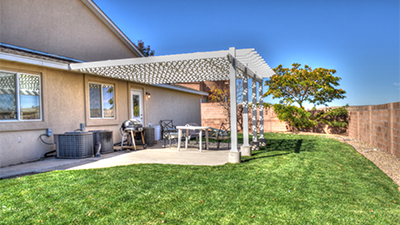
Respect borders around security, infection control, and care protocols, while still advocating when something feels off.
When the relationship works, it can be transformative. I have viewed families move from a crisis driven, sleep deprived presence in the house to a sustainable rhythm where visits have to do with connection, not logistics.
Cost, policy, and the practical bottom line
No conversation about senior care is total without acknowledging expense and guideline. Small settings and larger neighborhoods both run within state licensing frameworks that dictate what they can and can not do.
In lots of regions, residential care homes and little memory care environments are licensed likewise to assisted living, with policies about staffing, medication administration, fire safety, and more. They may not, however, be required to use nurses on site at all times. This can affect their capability to manage specific medical conditions, from feeding tubes to complex wound care.
Financially, smaller sized does not constantly imply less expensive. In some markets, intimate memory care homes with high personnel ratios are priced at a premium compared to larger neighborhoods. In others, they are more modest since they lie in residential areas instead of big industrial campuses.
Families must ask directly about:
What is included in the base rate versus charged as an add on (bathing assistance, medication management, incontinence care, transportation).
How rates increase with time, specifically as care needs intensify.
Whether respite care stays are available and how those are billed.
Any differences in funding eligibility for small homes versus larger centers, such as Medicaid waivers or long term care insurance coverage coverage.
The goal is not just to discover a calm environment for today, but a sustainable prepare for the months and years ahead.
Finding calm that fits the person, not just the diagnosis
Dementia care and memory care are frequently described in medical terms: phases, ratings, habits. Yet the daily experience is exceptionally personal. A veteran used to structure and hierarchy may react in a different way to an environment than an artist used to liberty and privacy. A long-lasting city occupant might yearn for more bustle than someone who spent years in a rural town.
Smaller assisted living and memory care settings offer an effective tool for creating calm, however they are not magic. They work best when their intimacy is matched with thoughtful shows, knowledgeable personnel, and a real regard for each resident's history.
When I stroll through a small home created for senior citizens with amnesia and it is working well, I discover particular things: the hum of conversation instead of television blaring, the odor of soup or cookies, the soft clatter of meals in a genuine cooking area. A caretaker kneels to be at eye level with a resident. Someone laughs in the corridor. No one is rushing.
For households dealing with the tough decision to seek out assisted living, respite care, or long term dementia care, that type of environment can seem like a compromise between self-reliance and safety that still honors the individual they enjoy. Not an ideal response, but a gentler next chapter.
The choice of setting is not about square video footage alone. It has to do with creating a world that is small enough to be knowable, constant enough to be relaxing, and human adequate to preserve dignity, even as memory fades.
BeeHive Assisted Living Homes of Rio Rancho NM #1 - Dementia Care & Memory Care provides assisted living care
BeeHive Assisted Living Homes of Rio Rancho NM #1 - Dementia Care & Memory Care provides memory care services
BeeHive Assisted Living Homes of Rio Rancho NM #1 - Dementia Care & Memory Care provides respite care services
BeeHive Assisted Living Homes of Rio Rancho NM #1 - Dementia Care & Memory Care supports assistance with bathing and grooming
BeeHive Assisted Living Homes of Rio Rancho NM #1 - Dementia Care & Memory Care offers private bedrooms with private bathrooms
BeeHive Assisted Living Homes of Rio Rancho NM #1 - Dementia Care & Memory Care provides medication monitoring and documentation
BeeHive Assisted Living Homes of Rio Rancho NM #1 - Dementia Care & Memory Care serves dietitian-approved meals
BeeHive Assisted Living Homes of Rio Rancho NM #1 - Dementia Care & Memory Care provides housekeeping services
BeeHive Assisted Living Homes of Rio Rancho NM #1 - Dementia Care & Memory Care provides laundry services
BeeHive Assisted Living Homes of Rio Rancho NM #1 - Dementia Care & Memory Care offers community dining and social engagement activities
BeeHive Assisted Living Homes of Rio Rancho NM #1 - Dementia Care & Memory Care features life enrichment activities
BeeHive Assisted Living Homes of Rio Rancho NM #1 - Dementia Care & Memory Care supports personal care assistance during meals and daily routines
BeeHive Assisted Living Homes of Rio Rancho NM #1 - Dementia Care & Memory Care promotes frequent physical and mental exercise opportunities
BeeHive Assisted Living Homes of Rio Rancho NM #1 - Dementia Care & Memory Care provides a home-like residential environment
BeeHive Assisted Living Homes of Rio Rancho NM #1 - Dementia Care & Memory Care creates customized care plans as residents’ needs change
BeeHive Assisted Living Homes of Rio Rancho NM #1 - Dementia Care & Memory Care assesses individual resident care needs
BeeHive Assisted Living Homes of Rio Rancho NM #1 - Dementia Care & Memory Care accepts private pay and long-term care insurance
BeeHive Assisted Living Homes of Rio Rancho NM #1 - Dementia Care & Memory Care assists qualified veterans with Aid and Attendance benefits
BeeHive Assisted Living Homes of Rio Rancho NM #1 - Dementia Care & Memory Care encourages meaningful resident-to-staff relationships
BeeHive Assisted Living Homes of Rio Rancho NM #1 - Dementia Care & Memory Care delivers compassionate, attentive senior care focused on dignity and comfort
BeeHive Assisted Living Homes of Rio Rancho NM #1 - Dementia Care & Memory Care has a phone number of (505) 221-6400
BeeHive Assisted Living Homes of Rio Rancho NM #1 - Dementia Care & Memory Care has an address of 204 Silent Spring Rd NE, Rio Rancho, NM 87124
BeeHive Assisted Living Homes of Rio Rancho NM #1 - Dementia Care & Memory Care has a website https://beehivehomes.com/locations/rio-rancho/
BeeHive Assisted Living Homes of Rio Rancho NM #1 - Dementia Care & Memory Care has Google Maps listing https://maps.app.goo.gl/FhSFajkWCGmtFcR77
BeeHive Assisted Living Homes of Rio Rancho NM #1 - Dementia Care & Memory Care has Facebook page https://www.facebook.com/BeeHiveHomesRioRancho
BeeHive Assisted Living Homes of Rio Rancho NM #1 - Dementia Care & Memory Care has a YouTube Channel at https://www.youtube.com/@WelcomeHomeBeeHiveHomes
BeeHive Assisted Living Homes of Rio Rancho NM #1 - Dementia Care & Memory Care won Top Memory Care Homes 2025
BeeHive Assisted Living Homes of Rio Rancho NM #1 - Dementia Care & Memory Care earned Best Customer Service Award 2024
BeeHive Assisted Living Homes of Rio Rancho NM #1 - Dementia Care & Memory Care placed 1st for Assisted Living Communities 2025
People Also Ask about BeeHive Assisted Living Homes of Rio Rancho NM #1 - Dementia Care & Memory Care
What is BeeHive Homes of Rio Rancho Living monthly room rate?
The rate depends on the level of care that is needed (see Pricing Guide above). We do a pre-admission evaluation for each resident to determine the level of care needed. The monthly rate is based on this evaluation. There are no hidden costs or fees
Can residents stay in BeeHive Homes of Rio Rancho until the end of their life?
Usually yes. There are exceptions, such as when there are safety issues with the resident, or they need 24 hour skilled nursing services
Does BeeHive Homes of Rio Rancho have a nurse on staff?
No, but each BeeHive Home has a consulting Nurse available 24 – 7. if nursing services are needed, a doctor can order home health to come into the home
What are BeeHive Homes of Rio Rancho visiting hours?
Visiting hours are adjusted to accommodate the families and the resident’s needs… just not too early or too late
Do we have couple’s rooms available?
Yes, each home has rooms designed to accommodate couples. Please ask about the availability of these rooms
Where is BeeHive Homes of Rio Rancho located?
BeeHive Homes of Rio Rancho is conveniently located at 204 Silent Spring Rd NE, Rio Rancho, NM 87124. You can easily find directions on Google Maps or call at (505) 221-6400 Monday through Friday 9:00am to 5:00pm
How can I contact BeeHive Homes of Rio Rancho?
You can contact BeeHive Assisted Living Homes of Rio Rancho NM #1 - Dementia Care & Memory Care by phone at: (505) 221-6400, visit their website at https://beehivehomes.com/locations/rio-rancho, or connect on social media via Facebook or YouTube
Take a short drive to Joe's Pasta House - Rio Rancho . Joe’s Pasta House offers comfort food in a welcoming setting that supports assisted living, memory care, senior care, elderly care, and respite care dining visits.